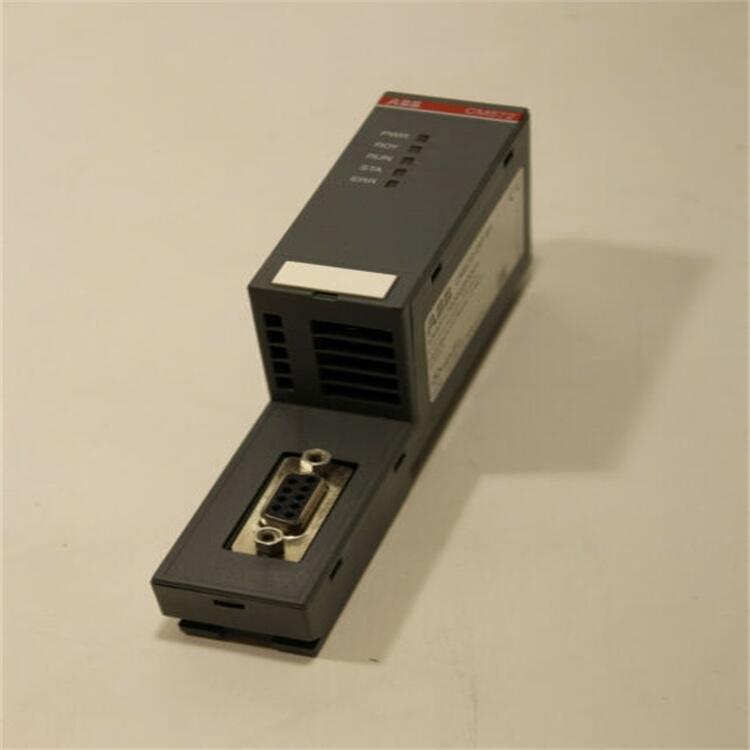

產品詳情
雖然大多數制造公司已經開始探索自動化技術的下一步——人工智能 (AI) 和機器學習 (ML)——但在他們希望組織使用人工智能技術的位置與他們所處的位置之間存在很大差距。
2019 年,推進自動化協會 (A3) 對其成員公司進行了關于他們采用人工智能的調查。當時,超過 76% 的受訪者表示人工智能將在未來三年內對其公司很重要,但只有不到 5% 的受訪者表示他們已經在廣泛實施人工智能。近兩年后,制造企業的雄心和執行力之間的差距在很大程度上保持不變,盡管在許多情況下,“未來工廠”的物理基礎設施已經部署完畢。
那么是什么讓公司處于雄心-執行差距的錯誤一邊?他們正在嘗試做他們一直在做的事情,并希望獲得更好的結果。這是行不通的,因為傳統的制造系統和流程非常不靈活。
通常,針對單個產品或功能創建和優化制造過程。如果需要修改流程,比如生產新版本的產品或新車型年,則需要進行全面檢修以適應新產品。
制造公司今天面臨的挑戰是如何使這些剛性系統更加靈活,尤其是在自動化的背景下。剝離現有系統并從頭開始構建新的東西不是一個可行的選擇——無論是在財務上還是在后勤上。通過將 AI/ML 軟件部署為現有網絡和計算基礎設施之上的一層,公司可以經濟高效地使他們以前僵硬的制造流程更加靈活,并縮小雄心與執行之間的差距。

1394-SJT05-C 的技術規格
| 品牌 | 艾倫-布拉德利 |
| 零件號/目錄號 | 1394C-SJT05-L |
| 生產線 | 伺服控制器 |
| 模塊類型 | 系統 |
| 額定功率 | 5 千瓦 |
1394-SJT05-C 是標準 GMC 系統模塊,其功能與 1394C-JST05-L 類似。此系統模塊的輸入要求為三相、380 / 460 伏特、頻率為 50/60 赫茲、電流為 6.5 安培。該系統模塊的輸出電壓為530/680V DC,連續輸出功率為4/5千瓦,峰值功率為28千瓦。連續電流輸出為 7.36 A,峰值電流為 15.0 安培。
該模塊與部件號為 1492-CB3-H300 的 Allen-Bradley 二級保護裝置兼容。使用 AM03 和 AM04 的任意組合可以配置多達四 (4) 個軸模塊。也可以使用 AM03、AM04 和 AM07 的組合,但此系統模塊不支持兩 (2) 個以上的 AM07 軸模塊。不建議使用其他軸模塊組合,否則可能會在上電期間因浪涌電流增加而導致誤跳閘。
該系統模塊的額定功耗為 66 W @ 20%、70 W @ 40 W、73 W @ 60% 77 W @ 80% 和 80 W @ 100% 功率輸出。該系統模塊會消耗額外的功率。額外功耗為 200 瓦,而大多數應用使用不到 10% 的容量。
必須在伺服系統內設置等效參數定義。該系統模塊必須通過訪問參數[System Type]來正確聲明系統模塊的目錄號。該定義通過參數 14,參數組配置,選項編號 1 1394-SJT05-C 專門訪問。
Allen-Bradley 1394-SJT05-C 是一個系統模塊,具有 GMC-IMC S 級和 5 千瓦額定功率(50-60 Hz)。它的效率為 98%,在三相輸入電壓下運行,在 100% 的額定功率輸出下功耗為 80 瓦。對于外部保護,建議使用額定值為 600V AC 或 20A 的 Bussman FRS-R-20A 保險絲或第 3 方等效保險絲。還建議使用用戶提供的接觸器來為可能使用交流或直流線圈接觸器的模塊接線。推薦的交流線圈接觸器型號為 Allen-Bradley 100-C43x102,3,推薦的直流線圈型號為 Allen-Bradley 100-C43Zx102。1394-SJT05-C 的工作溫度范圍為 32-122 度。華氏溫度和 5-95% 相對濕度,無冷凝。確保 1394-SJT05-C 外殼內的溫度不超過 122 度。華氏度。該模塊的工作高度為 3300 英尺,高度每增加 984 英尺,降額為 3%。驅動器工作振動為1G,非工作振動為2.5G。運行時可承受15G的沖擊,不使用時可承受30G之一的沖擊。1394-SJT05-C 可與 SP-74102-006-01 交流線路濾波器一起使用,該濾波器具有 50-60 Hz 的三相 460V 交流電壓。濾波器的電流在 122 度時輸出 23A 的功率。華氏溫度,相對濕度為 90%,功率損耗率為 20W。線路過濾器重 4.16 磅。并在 -13 和 185 度之間的溫度下工作。F。運行時可承受15G的沖擊,不使用時可承受30G之一的沖擊。1394-SJT05-C 可與 SP-74102-006-01 交流線路濾波器一起使用,該濾波器具有 50-60 Hz 的三相 460V 交流電壓。濾波器的電流在 122 度時輸出 23A 的功率。華氏溫度,相對濕度為 90%,功率損耗率為 20W。線路過濾器重 4.16 磅。并在 -13 和 185 度之間的溫度下工作。F。運行時可承受15G的沖擊,不使用時可承受30G之一的沖擊。1394-SJT05-C 可與 SP-74102-006-01 交流線路濾波器一起使用,該濾波器具有 50-60 Hz 的三相 460V 交流電壓。濾波器的電流在 122 度時輸出 23A 的功率。華氏溫度,相對濕度為 90%,功率損耗率為 20W。線路過濾器重 4.16 磅。并在 -13 和 185 度之間的溫度下工作。F。

While most manufacturing companies have begun to explore the next step in automation technology -- artificial intelligence (AI) and machine learning (ML) -- a large gap exists between where they want their organizations to be with AI technology and where they are.
In 2019, the Association for Advancing Automation (A3) surveyed its member companies about their adoption of AI. At the time, more than 76 percent of respondents said that AI will be important to their companies in the next three years, but fewer than 5 percent noted that they were already widely implementing AI. Nearly two years later, this gap between ambition and execution in manufacturing companies has largely remained static, even though — in many cases — the physical infrastructure for the “factory of the future” has already been deployed.
So what’s keeping companies on the wrong side of the ambition-execution gap? They're trying to do what they've always done and hoping for a better result. That won't work because traditional manufacturing systems and processes are incredibly inflexible.
Typically, a manufacturing process is created and optimized for a single product or function. If the process needs to be modified, say to produce a new version of a product or for the new model year, it requires a complete overhaul to accommodate the new product.
The challenge manufacturing companies face today is how to make these rigid systems more flexible, especially in the context of automation.Ripping out the existing systems and building something new from the ground up isn’t a viable option -- either financially or logistically. By deploying AI/ML software as a layer atop existing networking and compute infrastructure, companies can cost-effectively make their previously rigid manufacturing processes more flexible and close the ambition-execution gap.
In addition to cost savings and increased flexibility, acceptance of AI systems on the factory floor is an important metric in adoption. For Symbio, the key is that it’s not simply automation; it’s a collaboration between human and machine. Rather than displace humans, companies can design systems that people engage with more efficiently and, with efficient human-machine interb, changes can happen automatically. What’s more, designing and valuing automation in the right way -- for example, along the lines of capacity rather than just the labor component -- develops trust between manufacturing teams. This creates an opportunity to generate more valuable, creative, and desirable jobs in other areas. Adding AI & ML to existing automation, or even to automation that’s currently being deployed, enables manufacturers to future-proof systems and processes.